Exploring The Naples Underground

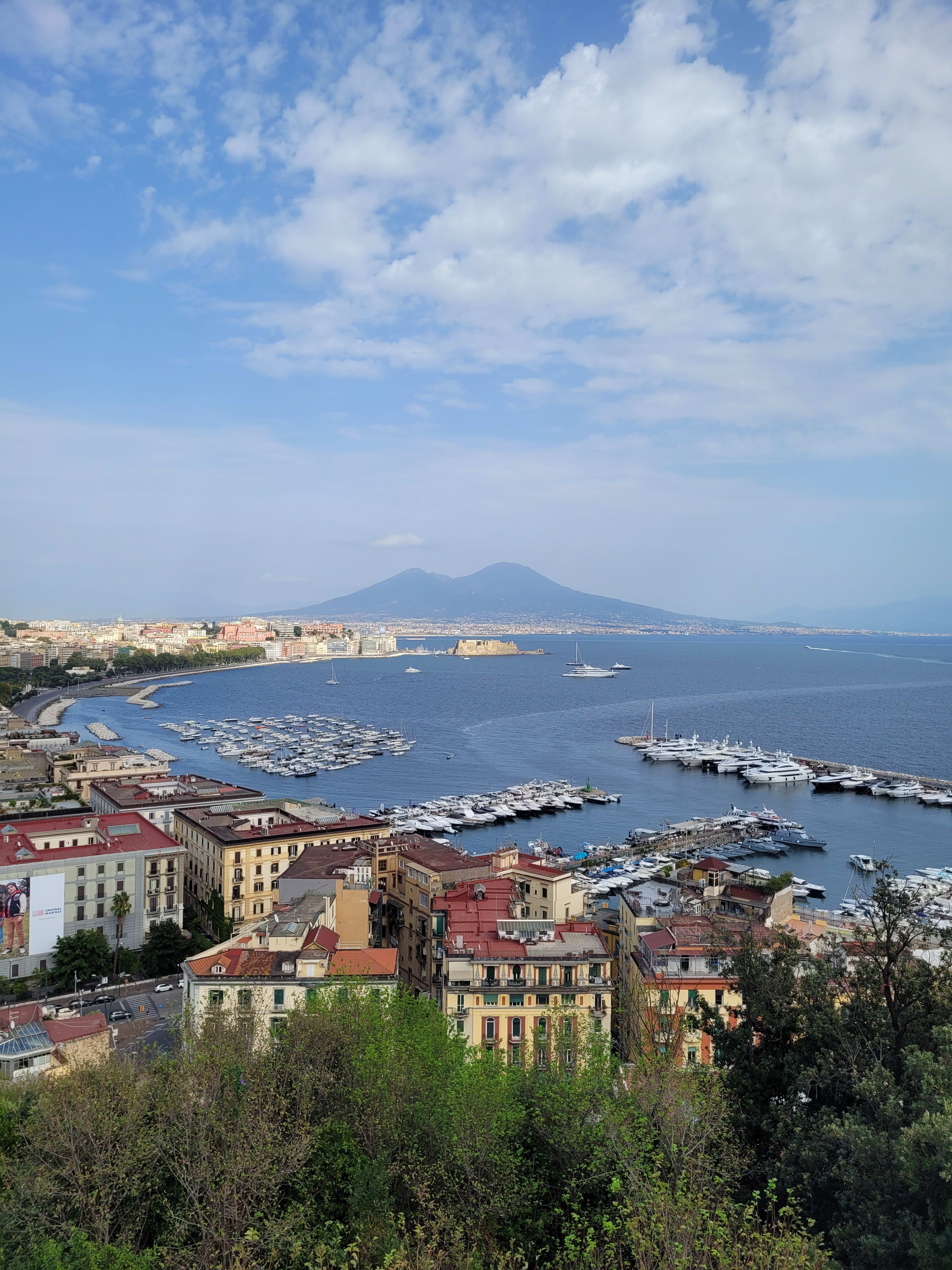
It’s hard to describe Naples. Situated between a dormant volcano and the Mediterranean Sea, this city is a juxtaposition of danger and beauty. The city is fascinating, beautiful, and rich in a history that goes back to a time before Rome. To capture the city, I couldn’t just go to it. I had to go under it.
Beneath the city is a labyrinth of tunnels that were first mined by the Greeks in 680 B.C. when the city was known as Neopolis. Later, when the Romans took over the area, they utilized the tunnels to house their latest technology, the aqueduct. They then expanded them, as you can see on the map below.
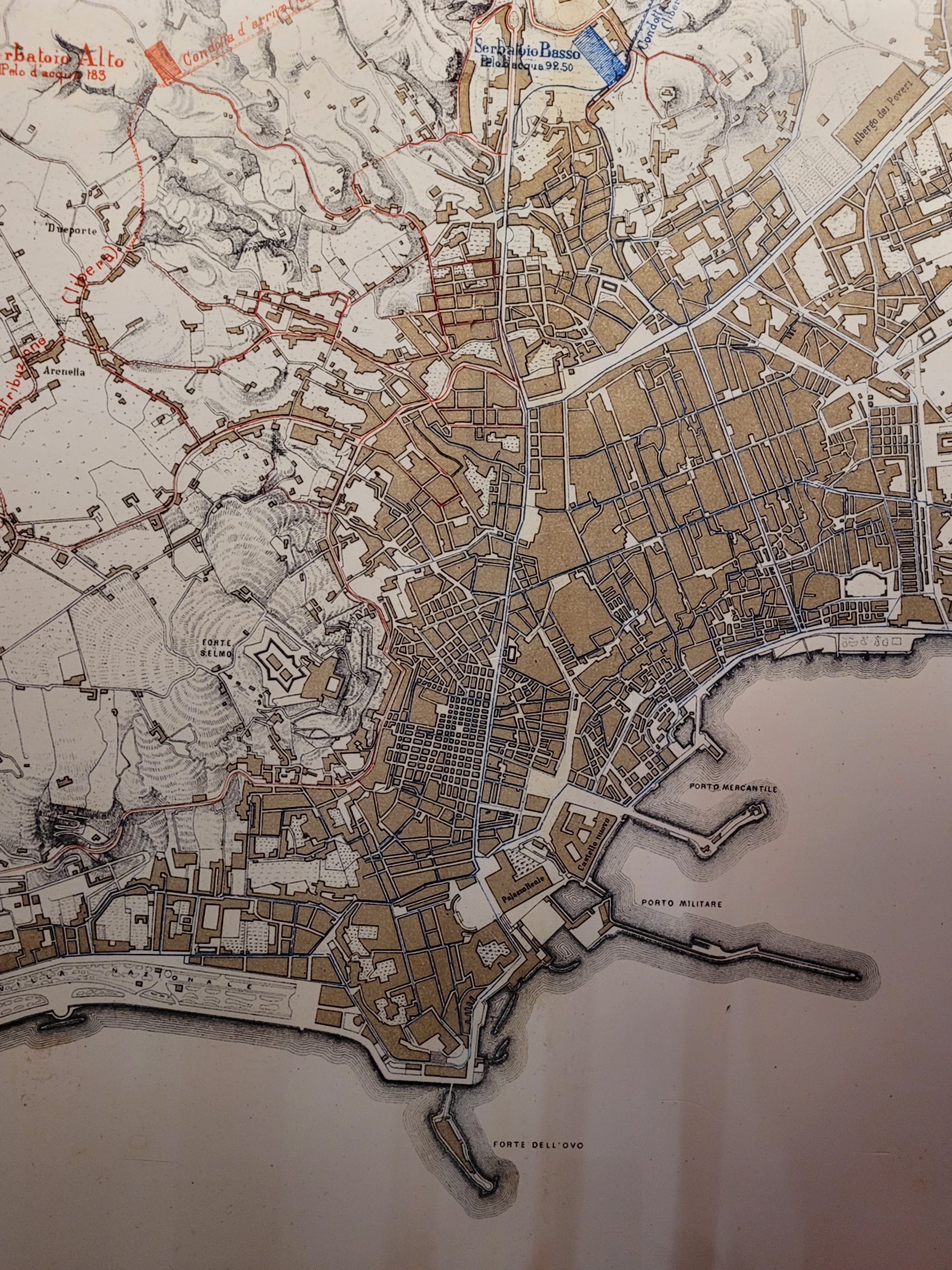
In addition to housing the city’s water source, there was a Roman Emperor who had a theater in the tunnels along with a secret escape route for the Bourbon Family.
However, most importantly, during World War 2, Naples endured over 200 air raids. These caverns provided safety for the people. Today, you can still go on a tour of the underground and see the remnants of what was left behind by the people, including toys and wires they used to create light during those long, terrifying nights. And that is precisely what I did…
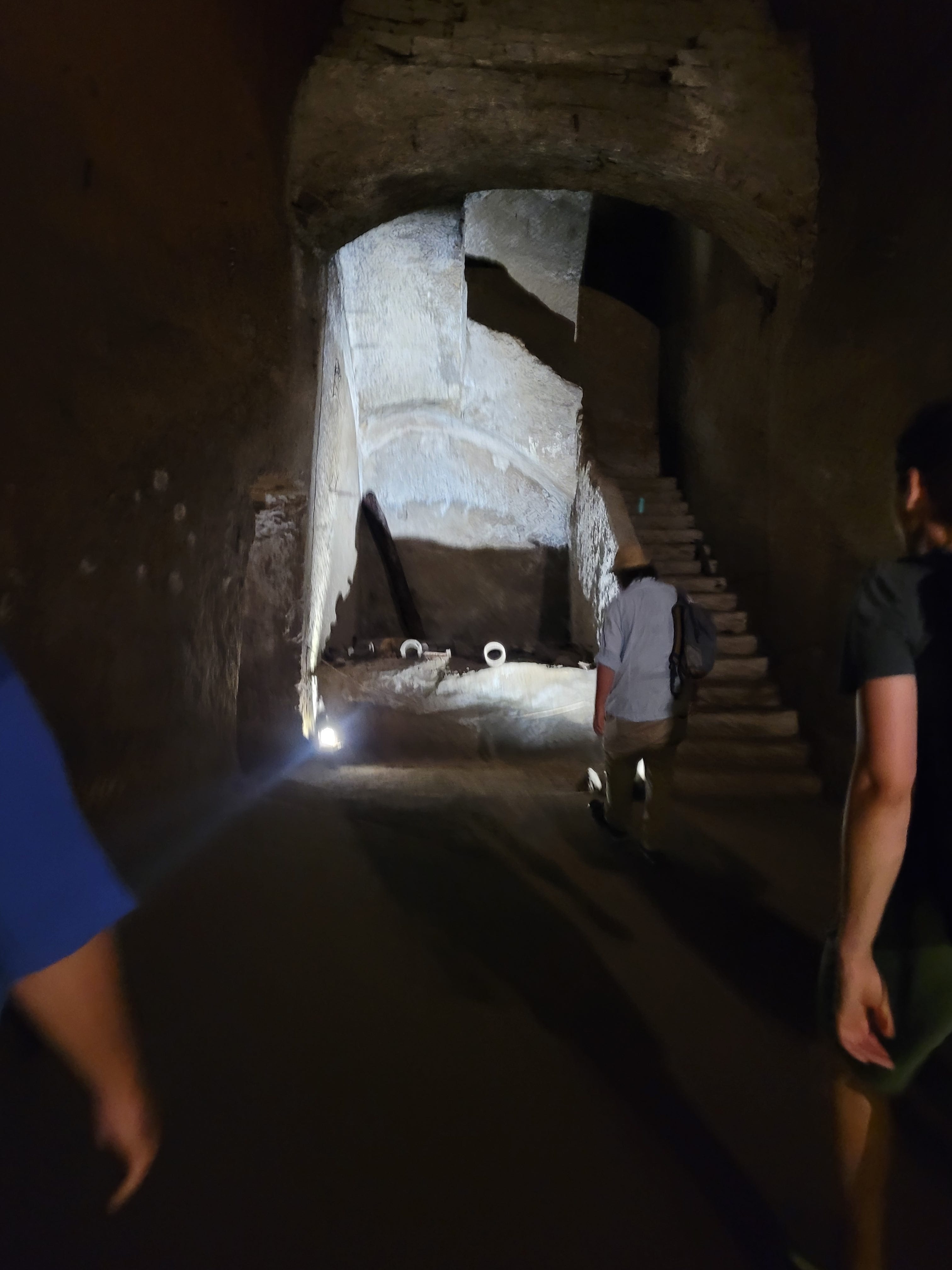
We made our way approximately 130 feet below the city. You can still see the remnants left behind by the people. From the bathrooms they had installed, the wires they used to create light, and the everyday items such as toys and cookware that they left behind.
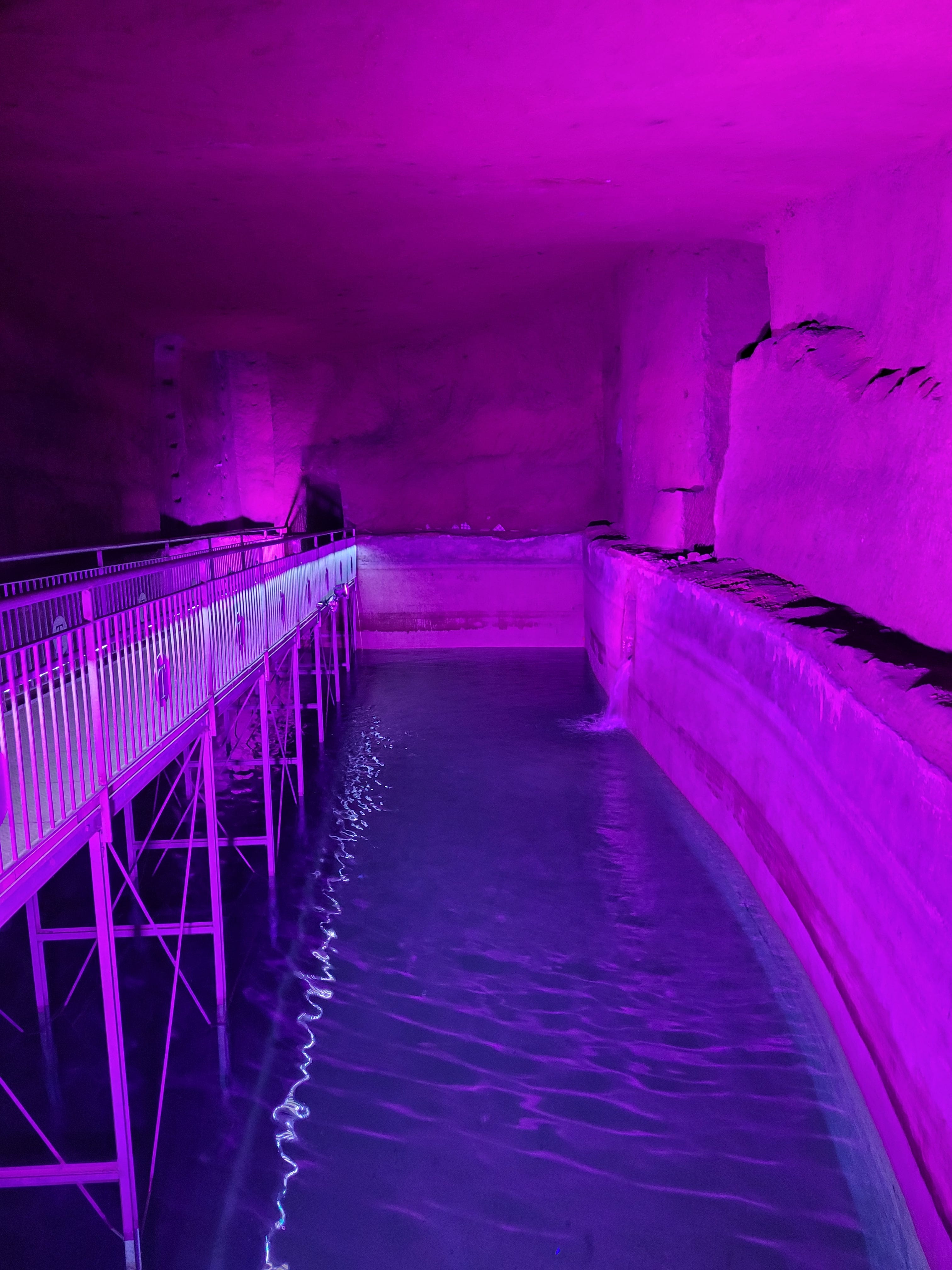
And while there was plenty of water down there, they couldn’t drink any of it. Those wells that the Romans and Greeks built were infected with cholera. The city is no stranger to cholera outbreaks, the most recent in 1973. So while the people were seeking safety from the constant bombings, they were also actively trying to avoid plagues.
Beyond the facts about the Neapolitan aqueducts, there was one massive lesson that I learned: the people of Naples are resilient. They have faced wars, plagues, and volcanic activity. They’ve not only survived, they thrived.
Don’t forget to pre-Order you copy of Daughters of Naples.